

Decokoncept

01

Concrete floor dusting

How can you effectively stop a concrete floor from dusting?

To stop dusting, the concrete has to be cleaned, sometimes ground, then hardened with a suitable product and polished if needed.

We start by identifying the cause of the dusting and assessing the surface. The concrete should be cleaned, and if it has a weak top layer, that layer should also be ground off. A silicate hardener (densifier) is then applied, which chemically densifies the concrete and increases its abrasion resistance. Depending on the condition of the floor and the expected appearance, the surface can also be smoothed or polished.

Szorstka posadzka betonowa, pyląca, po przetraciu dłonią widać pył

02

Identifying the problem

Why does a concrete floor start to dust?

Before we establish the cause of dusting, it is worth knowing the most common problems. Over more than 30 years of working with concrete floors we have come across many reasons for their degradation. Below are those we have observed many times in practice.

Posadzka betonowa z posypką utwardzającą wymagająca oceny powierzchni

DST hardening topping is not everything

Using a DST hardening topping when placing concrete does not always provide enough surface resistance for many years of use. A frequently skipped stage is chemical hardening with a silicate product (densifier), which reacts with the components of the concrete and increases abrasion resistance. Without proper hardening, the surface will start to dust over time.
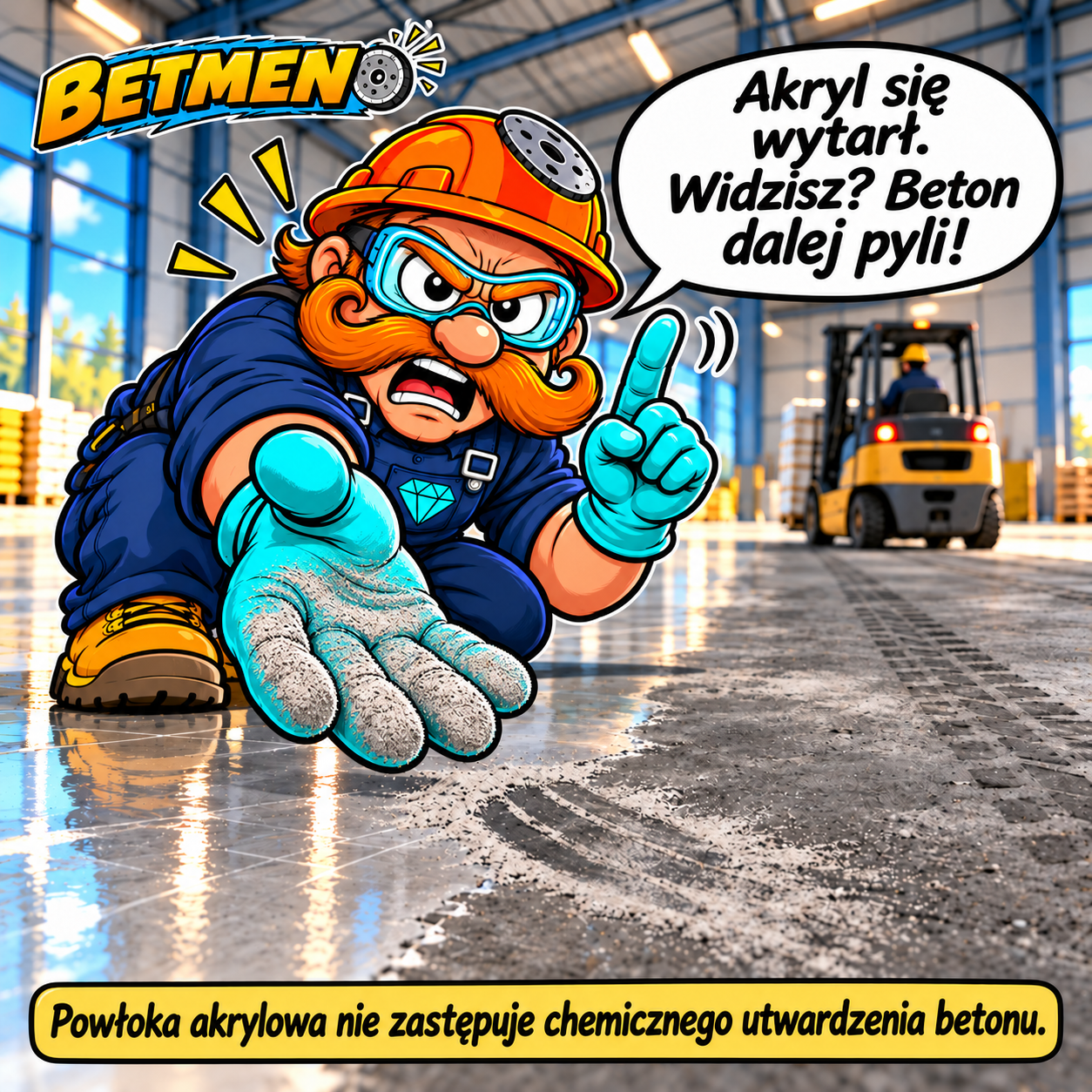
Wytarta powłoka akrylowa i odsłonięty beton na ciągu komunikacyjnym

An acrylic coating can hide the problem

On new floors, products forming an acrylic coating are often used, among other things to cure the concrete. As long as the coating remains on the surface, it can limit the release of dust. It does not, however, replace reactive hardening of the concrete. After it wears off, the exposed, insufficiently resistant surface will quickly start to abrade and dust.

Mycie posadzki betonowej maszyną ze szczotką

Improper washing and care

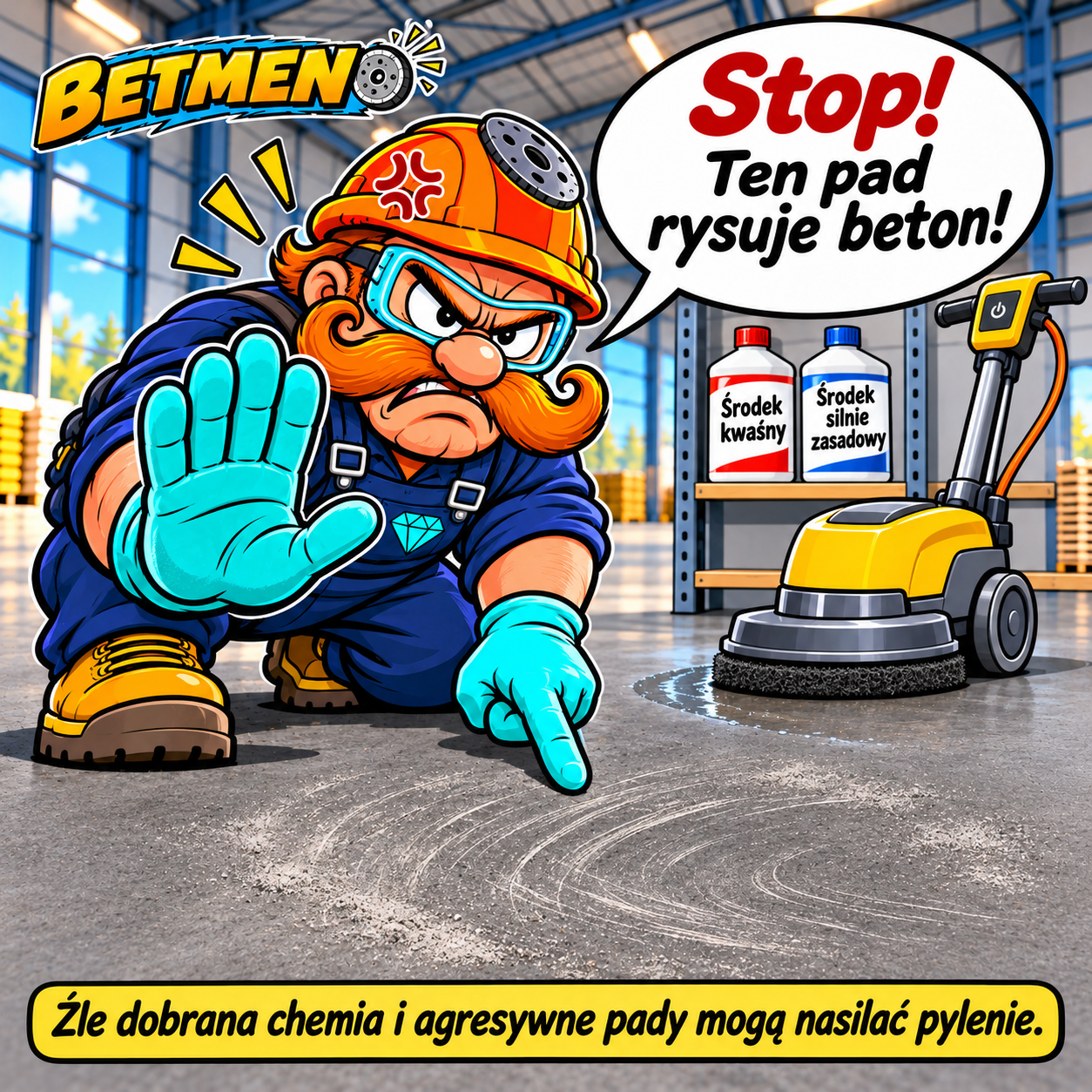
Acidic cleaning agents can damage the cement matrix. Overly aggressive brushes or pads and incorrectly chosen concentrations of cleaning agents can speed up surface wear. Repeated damage worsens the condition of the floor and intensifies dusting.

Osłabiona i ścierająca się warstwa powierzchniowa posadzki betonowej

Workmanship errors

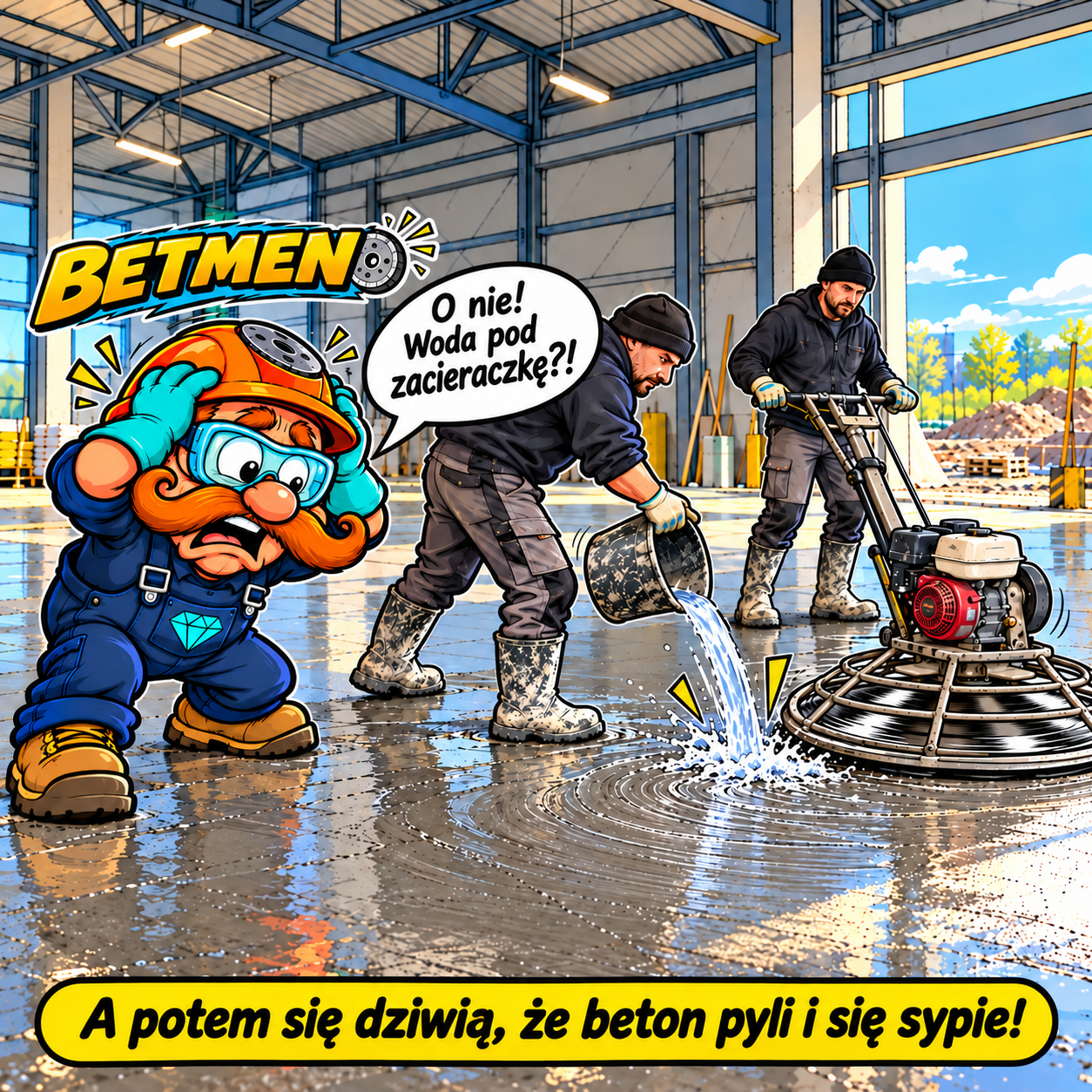
Too little or uneven spreading of the hardening topping, adding water during troweling and starting finishing at the wrong moment can weaken the concrete surface. Curing after placement also matters. A lack of protection against moisture loss, especially in drafts, sun and wind, promotes drying out too quickly. The weak layer created this way is more easily worn away, crumbles and dusts during use.

03

How it works

How does a reactive concrete hardener work?

A reactive silicate hardener (densifier) penetrates the absorbent surface and reacts with the components of the concrete. Additional calcium silicate hydrate (C-S-H) structures are formed, which help densify and harden its near-surface zone.

Wózek widłowy z dużym ciężarem porusza się bez problemu po mocnej utwardzone krzemianem  posadzce betonowej

Greater abrasion resistance

Hardening the surface reduces its wear during everyday use.

Posadzka utwardzona nie pyli, ma wysoki połysk

Reduced dusting

A properly prepared and hardened surface releases fewer particles from concrete abrasion.

Easier to keep clean

Easier to keep clean

Less dust from the floor means less deposit on goods, racking and equipment. Savings on cleaning time and washing chemicals.

04

Choosing the scope of work

When is hardening enough, and when is it worth polishing?

The condition of the concrete surface decides whether thorough cleaning and chemical hardening are enough, or whether grinding will also be needed. The more damaged the top layer, the more intensive the processing it requires. Below we explain how to recognise these situations.

doczyszczanie posadzki betonowej przed utwardzeniem krzemianem litu

Preparation and hardening

When the concrete is not yet badly degraded and the surface remains smooth to the touch despite wear, it can be renovated without grinding. It should be thoroughly cleaned with a suitably chosen product, e.g. C² Maintenance or C² Degrease, then chemically hardened, e.g. with C² Hard or C² Hard Blend, and burnished with a diamond pad using a high-speed burnisher.

polerowanie zniszczonego betonu szlifierką planetarną

Grinding, hardening and polishing

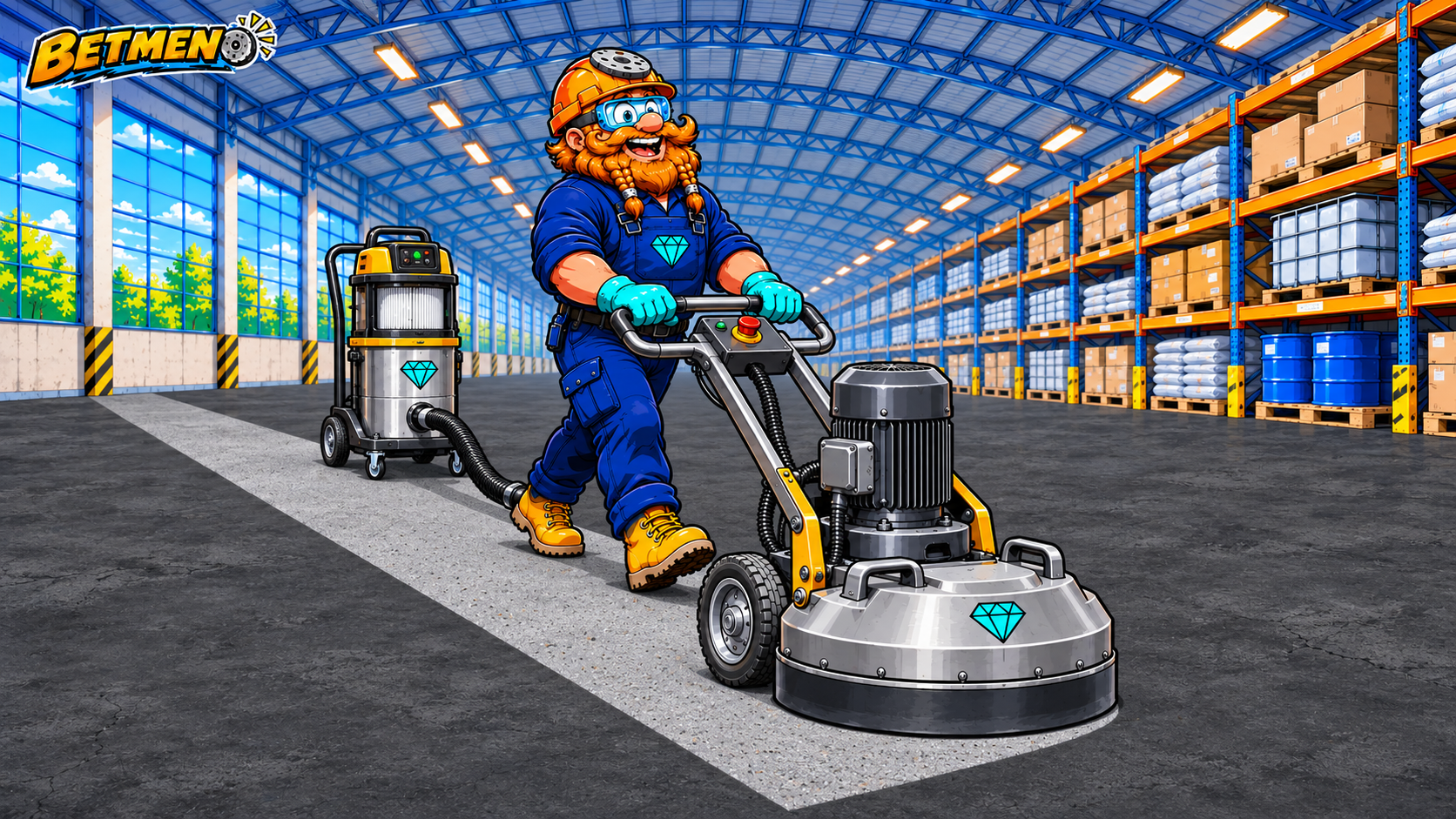
When the surface is badly damaged, often dark or black, rough to the touch like pumice, highly absorbent and dusting, the damaged micro-layer must be removed mechanically to reach sound, strong concrete. The surface is then chemically hardened with a silicate product (densifier), e.g. C² Hard or C² Super Hard, and polished. Depending on the nature of the facility and how it is used, a sealer protecting against stains can also be applied. Ask us how to choose one for your floor.

05

Order of work

How do you prepare the floor and apply a hardener?

The whole process determines effectiveness. The preparation method, the moment of application and further processing should be matched to the concrete and to the instructions of the specific product.

  1. 1

    Ocena chłonności betonu na polu próbnym

    Surface assessment and test area

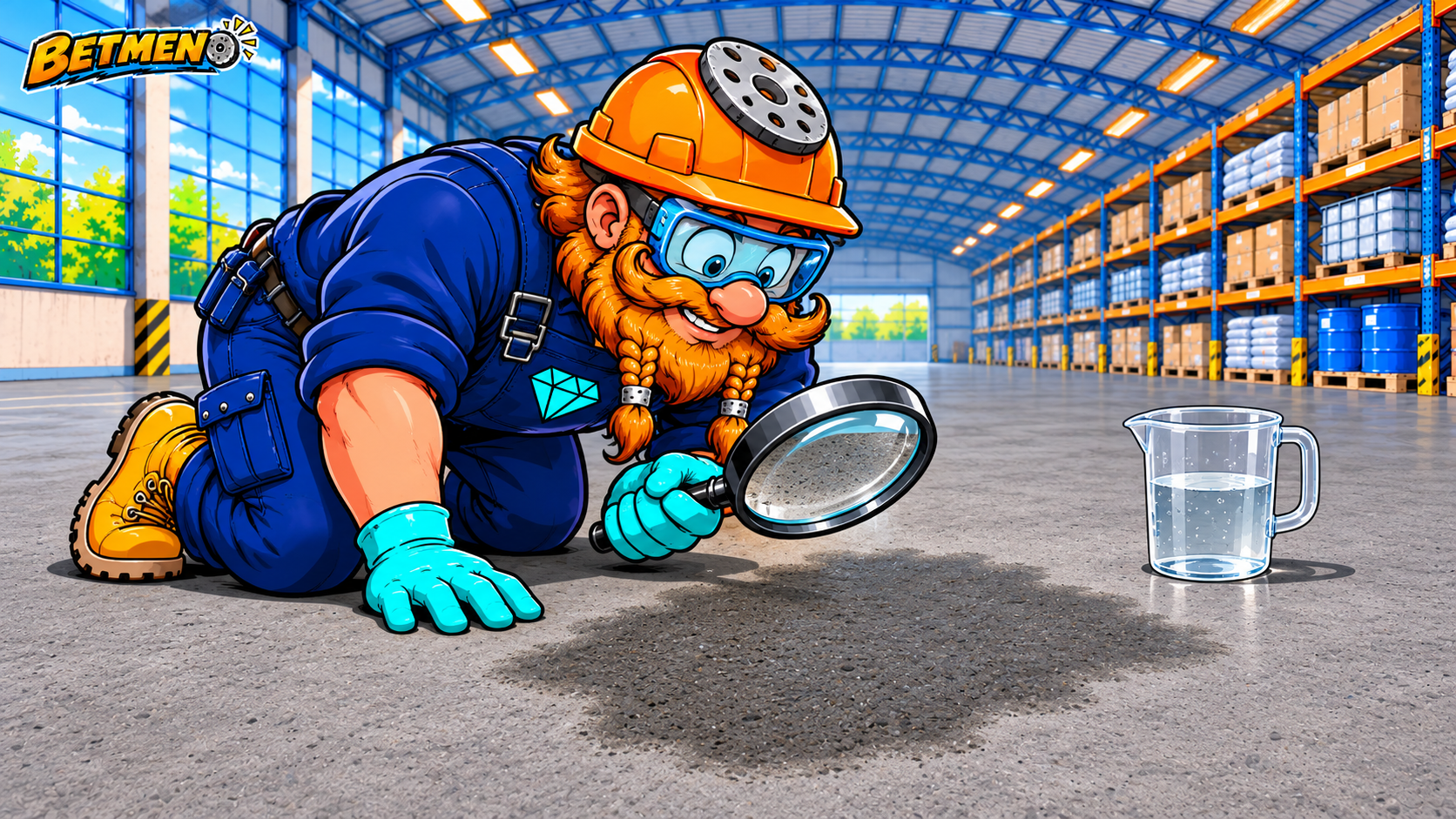
    Check whether the concrete is smooth or rough. Pour out a small amount of water and observe whether it soaks in and darkens the surface or stays on it in droplets. Also assess soiling and earlier protection. Sometimes a grinding trial will be needed to choose how to prepare the concrete.

  2. 2

    Przygotowanie posadzki betonowej szlifierką planetarną

    Cleaning or selected processing

    Remove contamination and layers that block penetration. If grinding is needed, match its intensity to the condition of the concrete. With a hardening topping, take into account preserving the existing wearing layer.

  3. 3

    Rozprowadzanie utwardzacza krzemianowego mikrofibrą natrysk spryskiwaczem

    Reactive hardening

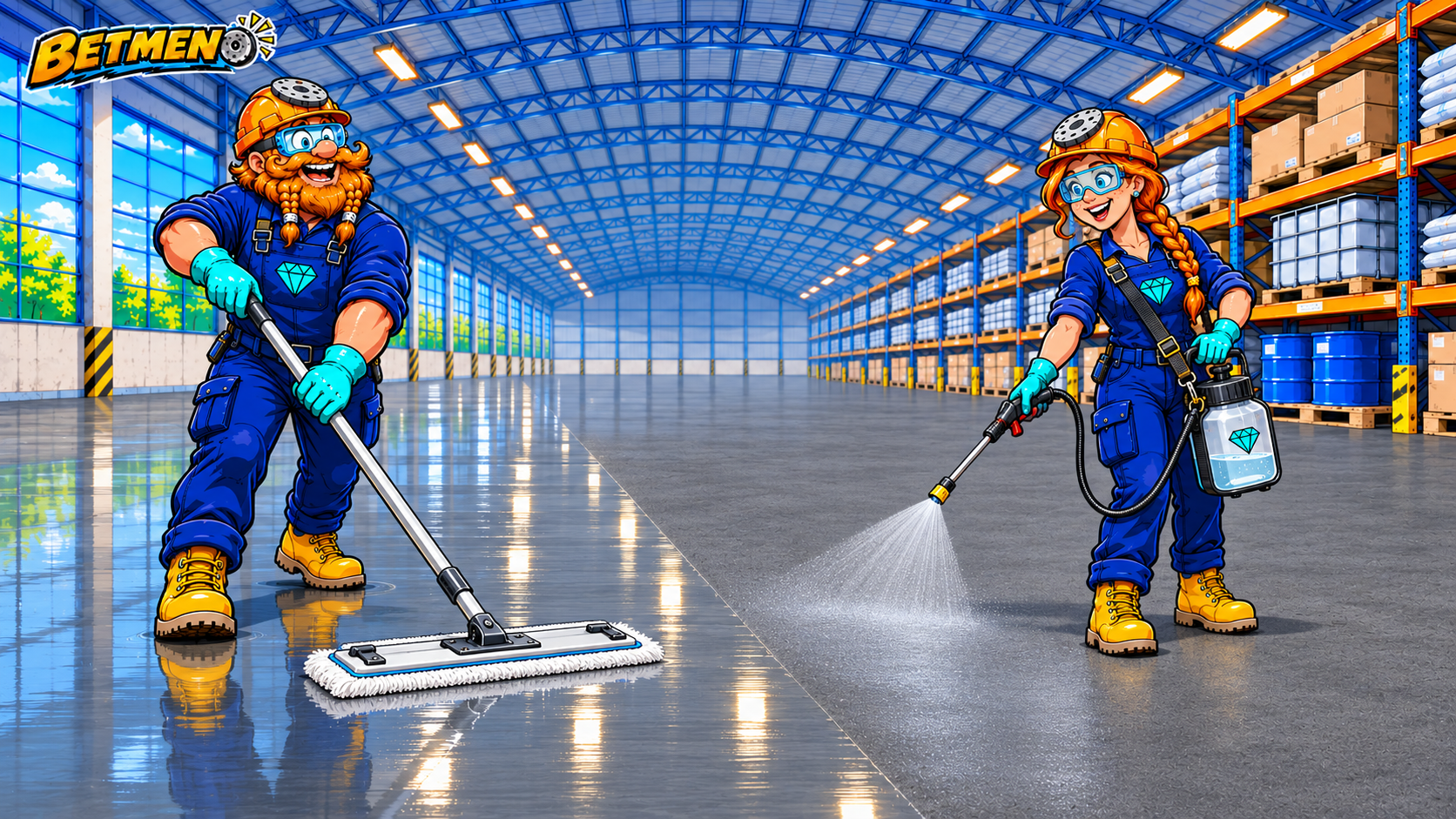
    Spray a suitably chosen hardener onto the floor as a fine mist and spread it evenly with a microfibre mop. Keep the surface wet for at least 10 minutes, topping up the product in places that dry faster so that the concrete becomes well saturated. Avoid puddles, then leave the floor to dry according to the product data sheet.

  4. 4

    Polerowanie posadzki betonowej polerką gazową

    Polishing the concrete if needed

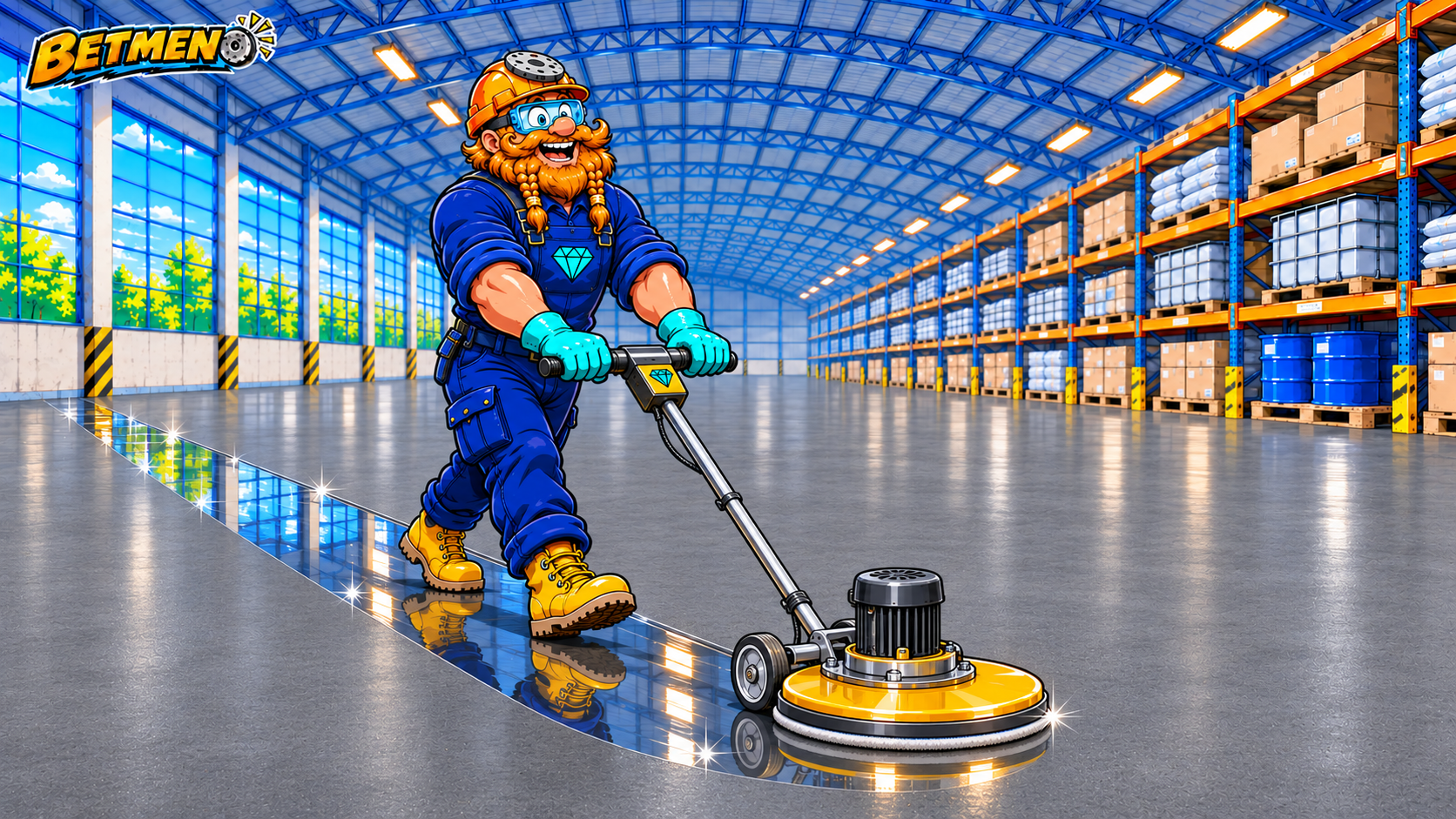
    If the floor was previously ground, the technology requires it, or you care about gloss and easier cleaning, polish the concrete. Polishing additionally smooths the surface and reduces its micro-roughness. If this stage is not needed, move on to the next step.

  5. 5

    impregnacja posadzki betonowej

    Sealing: additional protection against stains

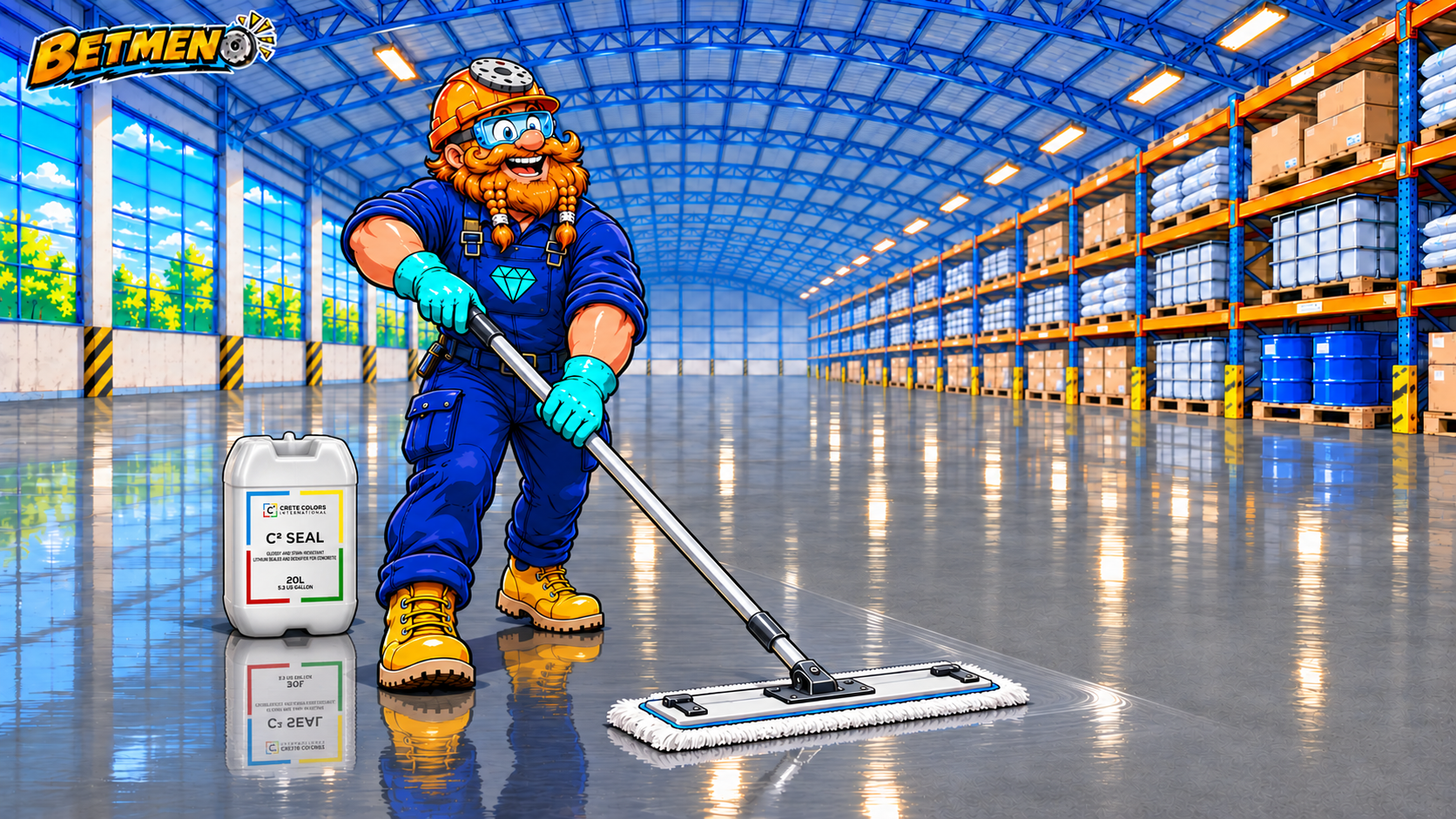
    After polishing the floor, if you need additional protection against food stains, oil or salt, choose a suitable sealer. Proper protection will make cleaning easier, help lower maintenance costs and extend the life of the floor. Choose a sealer for your floor >>

  6. 6

    mycie posadzki betonowej C² Maintenance] czerwonym padem

    Look after the floor every day

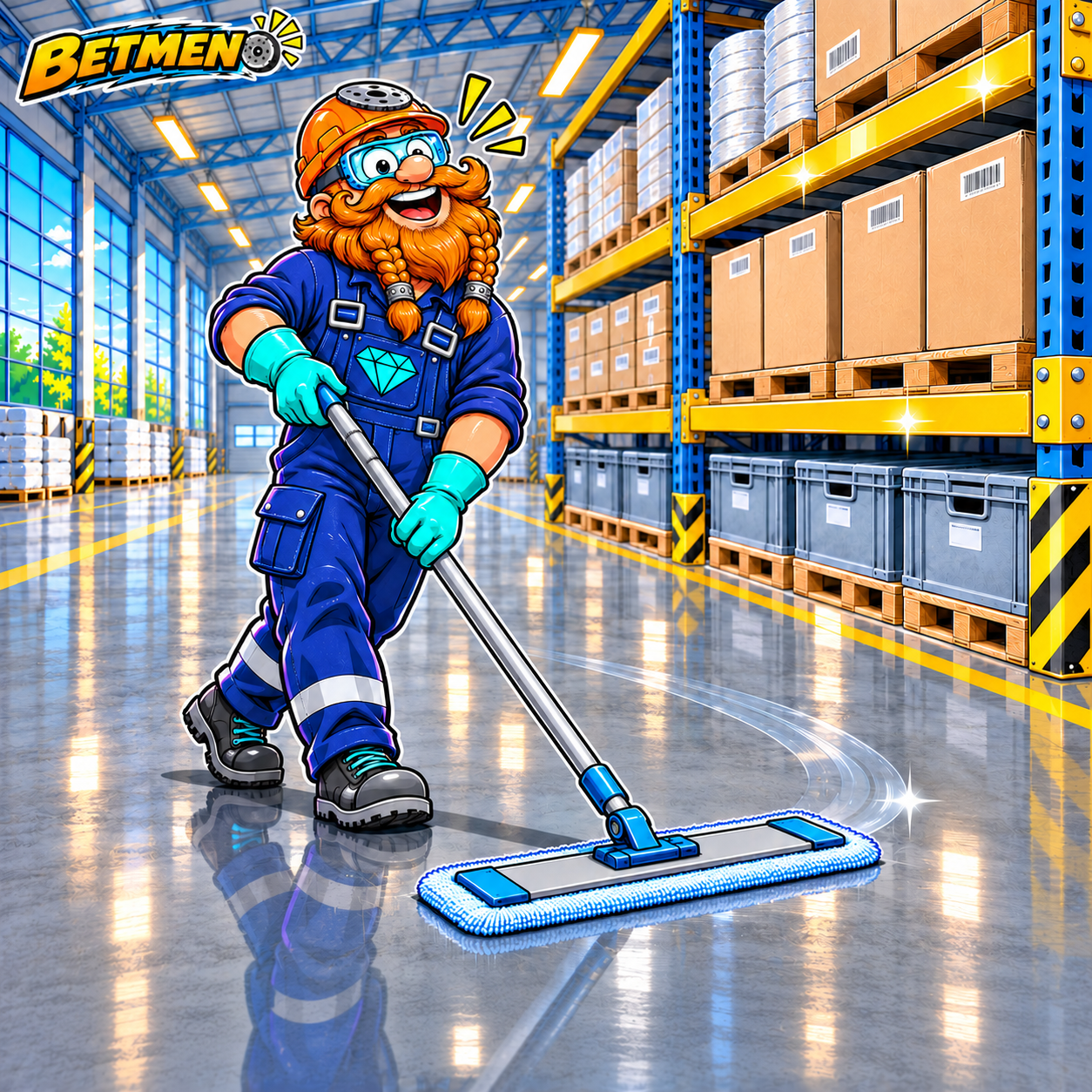
    Wash the floor regularly and deep clean it periodically, using products matched to the concrete and its protection. We recommend C² Maintenance, a cleaning agent with added lithium silicate, which during washing supports further hardening of the surface, helps maintain gloss and extends the life of the floor. If the protective system used and the way the floor is used require it, also renew the sealer periodically according to the manufacturer's recommendations.

06

Choosing the product

Which hardener should you choose for your floor?

C² Hard, C² Hard Blend and C² Super Hard are tools for solving a specific problem. Precede your choice with an assessment of the substrate and a trial. If in doubt, we will help you choose the product and how to use it.

C² Hard

A reactive hardener for new and existing concrete floors. To consider when you need to harden the surface and reduce dusting.

Discover C² Hard

C² Hard Blend

A hardener intended for mechanically troweled surfaces, also used in honing and polishing concrete.

Discover C² Hard Blend

C² Super Hard

To consider for particularly porous or surface-worn concrete. Before use, the load-bearing capacity of the substrate must be confirmed and a trial carried out.

Discover C² Super Hard

07

Questions and answers

The most common questions about concrete dusting

Answers that help plan surface preparation and choose a hardening method.

Will a hardener stop dusting completely?+

On a sound and properly prepared substrate, a correctly chosen product can effectively stop surface dusting. The effect should be checked on a test area. Concrete that crumbles deeper may require additional repairs.

Can an old floor be hardened?+

Yes. The condition of the concrete and the absorbency of the surface matter more than age. The substrate must be sound and clean, and earlier protection and soiling that hinder penetration of the product must be removed.

Does the floor have to have a high gloss?+

No. The level of finish is chosen to suit the needs of the facility. Reducing dusting does not require full polishing in every case.

How long does a hardener take to dry?+

The time depends on the product, application conditions and the absorbency of the substrate. The date for further processing and for opening the floor to traffic should be set according to the data sheet of the chosen product.

Which hardener should I choose, lithium or sodium?+

The type of silicate is one of the criteria. The specific formulation, the condition of the concrete and the application method also matter. It is worth confirming the choice with a trial on a prepared surface.

Does a hardener protect against stains?+

Its basic function is to densify the surface and improve abrasion resistance. When additional protection against oils or other soiling is needed, a suitable protective product is chosen.

Will a hardener repair cracks and defects?+

Cracks, defects and damaged joints require separately chosen repair. A hardener does not fill such damage.

Is chemical hardening worth using after a hardening topping?+

Such a solution is worth considering to increase abrasion resistance and reduce dusting. The scope of preparation and the product are chosen according to the condition of the surface and the conditions of use.

08

We will help you determine where to start

Send photos of the floor, the approximate area and a description of use. Tell us whether the concrete only dusts or also crumbles, and whether it was previously sealed or covered with a coating. We will help you choose the preparation method and the product. Are you also looking for a contractor? We will help you choose the scope and organisation of the work.